1 Oct 2026
Examining Altitude Effects on Equine Endurance in Mountainous Race Routes
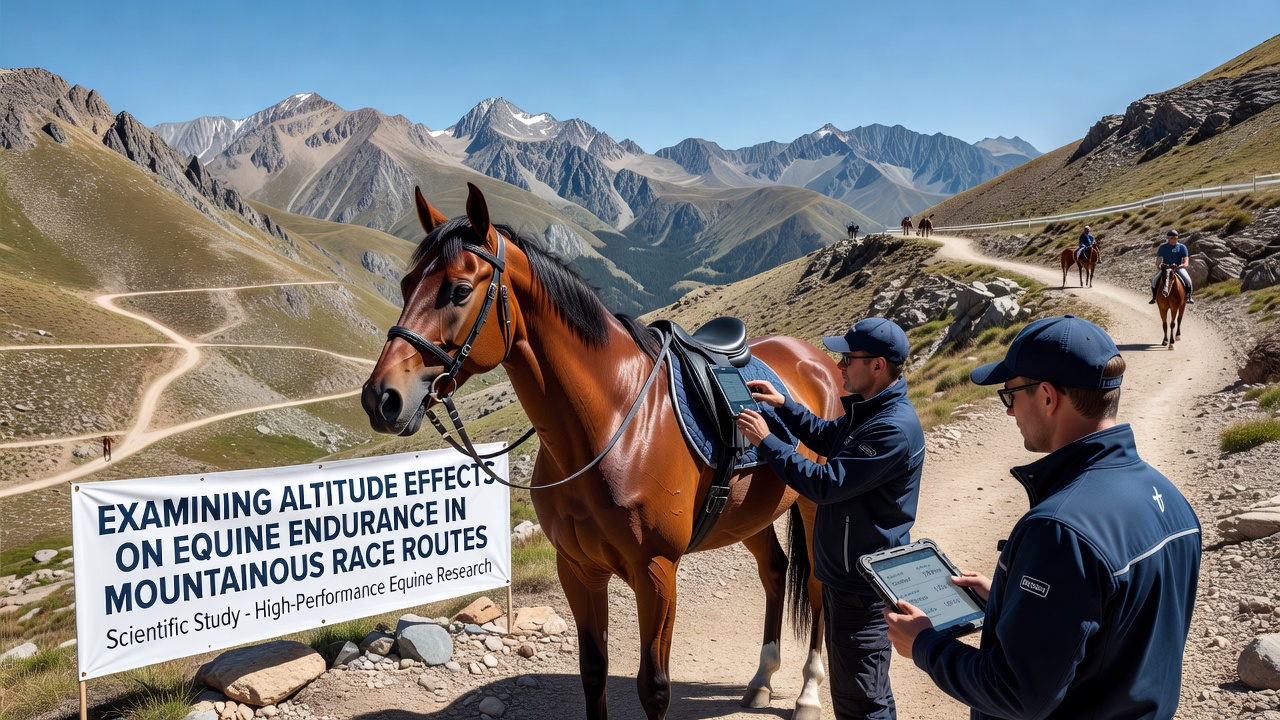
Researchers have examined how reduced oxygen availability at higher elevations shapes equine endurance during races along mountainous routes, and data from multiple studies show measurable changes in cardiovascular output, muscle function, and recovery times when horses compete above 1500 meters. Observers note that these effects become pronounced in events held across the Rockies, the Alps, and select Australian highland circuits, where thin air combines with steep gradients to increase overall workload.
Physiological Responses to Reduced Oxygen
Horses experience a drop in arterial oxygen saturation as barometric pressure falls, which forces the heart to pump harder to maintain oxygen delivery to working muscles, and studies tracking blood parameters during simulated altitude exposure reveal declines in VO2 max that range from 15 to 25 percent depending on the elevation reached. Trainers who monitor heart rates during such conditions report that animals must recruit anaerobic pathways earlier in the race, leading to faster lactate accumulation and earlier onset of fatigue. Veterinary records from competitions in Colorado and Switzerland indicate that rectal temperatures rise more quickly at altitude because respiratory effort increases to compensate for lower oxygen partial pressure.
Acclimatization Patterns Observed in Competition Horses
Animals that remain at elevation for 14 to 21 days prior to racing demonstrate partial restoration of plasma volume and improved capillary density in skeletal muscle, according to longitudinal data collected by research teams at Colorado State University. Yet the same records show that full hematological adaptation, including elevated red blood cell counts, typically requires three to four weeks and still leaves a performance gap compared with sea-level baselines. Horses moved abruptly from lowland stables to mountain venues display transient reductions in stride length and increased respiratory rates during the first several days, after which stabilization occurs but never reaches the efficiency seen in native high-altitude populations.
Route-Specific Demands in Mountainous Events
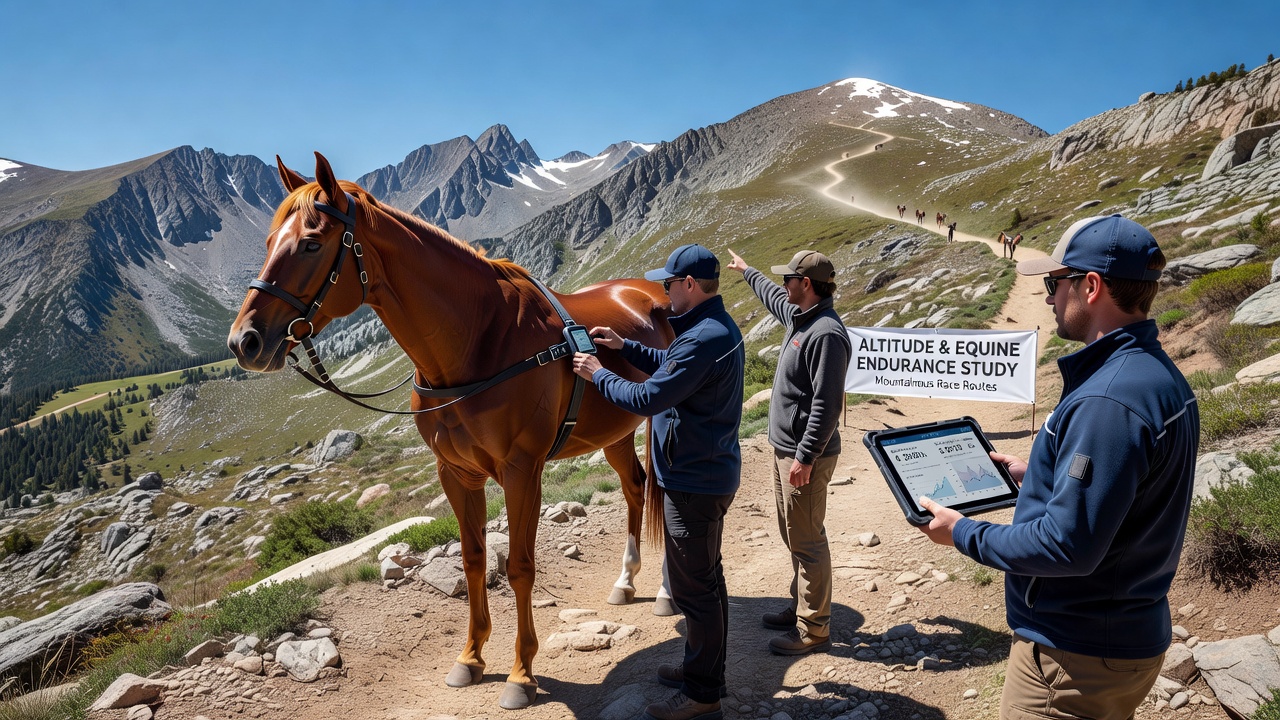
Race routes that combine sustained climbs with rapid descents place additional mechanical stress on tendons and joints while the cardiovascular system works against hypoxia, and timing data from multi-day endurance rides in the Pyrenees demonstrate that cumulative elevation gain correlates strongly with finishing times independent of total distance. Organizers of events such as the Tevis Cup and certain European mountain marathons publish course profiles that highlight sections above 2500 meters where competitors routinely record the slowest splits. Analysis of GPS and heart-rate telemetry from these races shows that horses maintain lower average speeds on uphill segments at altitude even when rider weight and ground conditions remain comparable to lowland events.
Training and Management Strategies Documented by Industry Groups
Practitioners who prepare horses for high-elevation competitions often incorporate interval work at progressively increasing altitudes during the final training block, and reports from the Australian Endurance Riders Association note measurable improvements in post-exercise recovery scores when such protocols extend over a minimum of 10 days. Nutritional adjustments that include supplemental iron and antioxidants appear in veterinary guidelines issued by the European College of Equine Internal Medicine, although controlled trials continue to evaluate their precise contribution to oxygen-carrying capacity. Hydration monitoring becomes critical because respiratory water loss accelerates in dry mountain air, and event veterinarians record higher rates of metabolic alkalosis when fluid intake falls below calculated requirements.
Comparative Data Across Geographic Regions
Figures compiled by regulatory bodies in Canada and New Zealand reveal that horses imported from lower elevations require longer mandatory acclimatization periods before they may enter graded mountain races, and compliance records show reduced incidence of exertional rhabdomyolysis when these intervals are observed. In contrast, populations bred and raised above 1800 meters exhibit lower peak heart rates during equivalent workloads, suggesting genetic or developmental adaptations that warrant further investigation by university laboratories. International federation reports continue to track injury patterns that differ by altitude band, with soft-tissue strains appearing more frequently on descent portions of courses situated above 2000 meters.
Conclusion
Current evidence from physiological monitoring, competition telemetry, and regional regulatory data illustrates how altitude modifies equine endurance through interconnected cardiovascular, respiratory, and musculoskeletal responses, and these findings guide preparation protocols for races held on mountainous terrain. Continued collection of field measurements across diverse geographic locations supports refinement of acclimatization schedules and veterinary oversight tailored to specific elevation profiles.