12 Nov 2026
Global Regulatory Shifts Altering Trainer Licensing Standards Across International Circuits
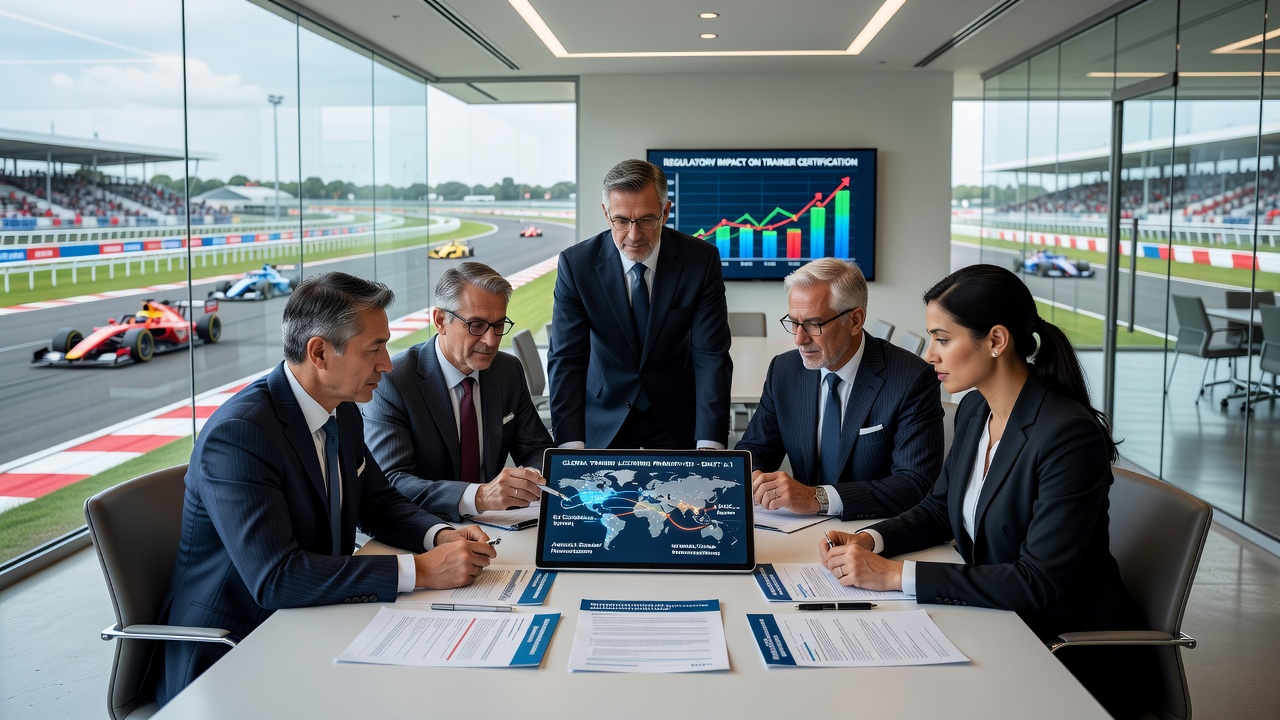
Regulatory bodies worldwide have introduced updated licensing frameworks for horse racing trainers, and these changes affect requirements for education, compliance records, and welfare protocols across multiple jurisdictions. Data from the International Federation of Horseracing Authorities shows that over 40 member countries have revised at least one aspect of their trainer approval processes since 2023, with many aligning standards around shared principles for participant safety and equine care.
Observers note that these adjustments often stem from coordinated efforts to address inconsistencies between circuits, and the result includes tighter scrutiny on applicants who hold licenses in more than one country. Trainers must now demonstrate ongoing professional development in areas such as medication management and injury prevention techniques, while background checks extend to financial disclosures and previous disciplinary actions.
European Union Directives Drive Unified Criteria
European nations have moved toward common benchmarks following updates to the European Horseracing Scientific Liaison Committee guidelines, and these revisions require trainers to complete certified courses in biomechanics and stable management before renewal. France Galop and the Irish Horseracing Regulatory Board both implemented digital application portals in 2025 that cross-reference data from neighboring countries, which reduces duplicate submissions but increases verification time for first-time applicants.
Trainers operating across borders now submit unified portfolios that detail their track records in each jurisdiction, and regulators in Germany and Italy have added mandatory audits every 18 months to confirm adherence to new welfare metrics. Those who studied these transitions report that the emphasis on record-keeping has shifted licensing decisions from subjective assessments to measurable performance indicators.
North American Adjustments Reflect State and Provincial Coordination
In the United States and Canada, associations such as the Association of Racing Commissioners International have promoted model rules that standardize trainer licensing across state lines, and several commissions adopted these templates during 2024 and 2025. Canadian regulators in Ontario and British Columbia introduced joint recognition agreements that allow approved trainers to transfer credentials with fewer additional examinations, while American state bodies in Kentucky and California added requirements for annual ethics training modules.
Figures from the Jockey Club reveal that denial rates for new trainer applications rose by 12 percent in jurisdictions that adopted the model rules, primarily because applicants failed to meet expanded continuing education thresholds. Trainers who maintain clean records over multiple seasons receive expedited renewals under the updated systems, yet those with prior violations face extended review periods that can last up to nine months.

Asia-Pacific Regions Emphasize Technology and Welfare Integration
Australian and New Zealand authorities have incorporated biometric tracking into licensing renewals, and Racing Australia now requires trainers to log equine health data through approved software platforms before each racing season. Hong Kong and Japan have aligned their standards with international benchmarks by adding language proficiency tests for foreign applicants and mandatory participation in regional seminars on heat stress management for horses.
Reports from the Asian Racing Federation indicate that these measures produced a 15 percent increase in approved cross-border trainer movements during the 2025 calendar year, while maintaining strict oversight on doping prevention records. Trainers in these circuits must also complete modules on sustainable stable practices, and regulators verify compliance through random facility inspections that occur without advance notice.
Impacts on International Trainer Mobility and November 2026 Timelines
Many circuits have announced that full harmonization of core licensing criteria will take effect in November 2026, and this date marks the deadline for reciprocal recognition agreements among participating nations. Trainers who operate on multiple continents have begun preparing consolidated records that satisfy the forthcoming unified database requirements, which will allow regulators to share violation histories in real time.
Industry organizations such as the Thoroughbred Breeders Association have documented cases where experienced trainers from one region encountered delays when applying in another because their prior training logs did not match new format standards. These examples illustrate how the shift toward standardized documentation affects career planning for professionals who travel with horses across circuits.
Conclusion
Global regulatory shifts continue to reshape trainer licensing by prioritizing verifiable credentials, cross-border data sharing, and welfare accountability, and the November 2026 milestones will determine how quickly these frameworks achieve broader consistency. Trainers, regulators, and racing organizations now operate within systems that link education, compliance, and mobility more tightly than in previous decades, which produces measurable changes in approval processes across international circuits.