15 Oct 2026
Shifts in Track Surface Technology Reshaping Equine Speed Records Worldwide
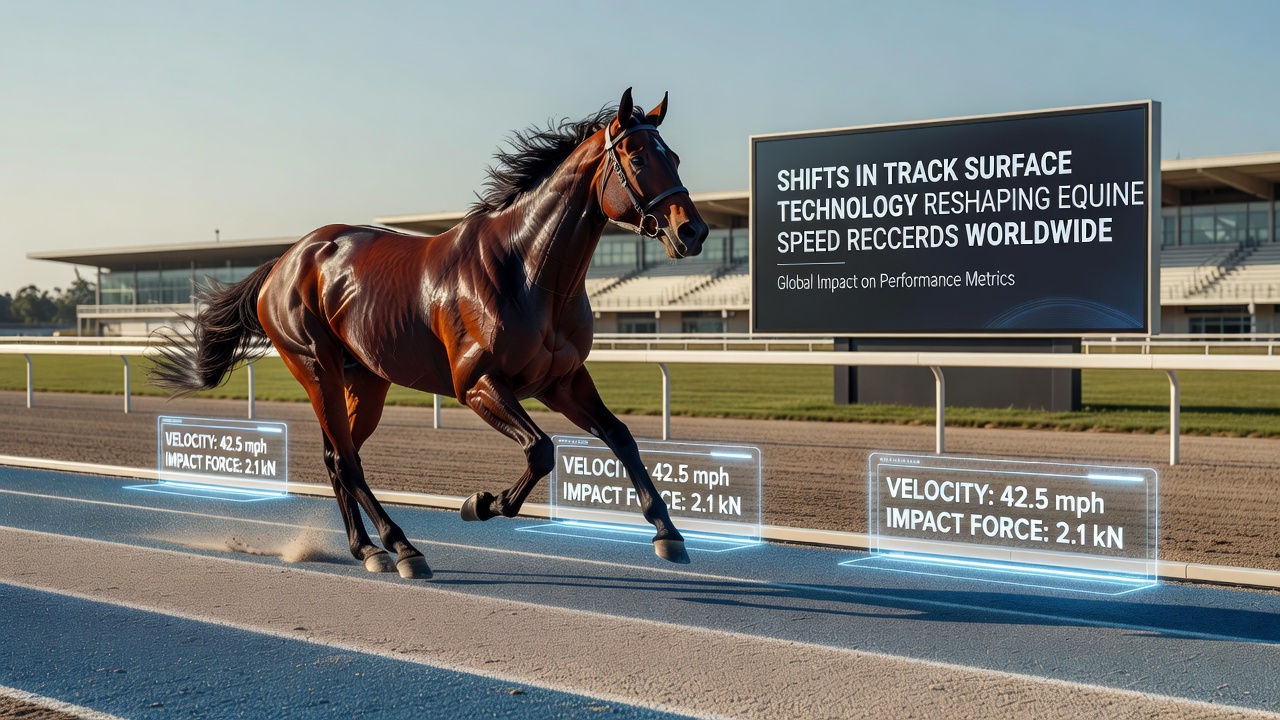
Track surface innovations have accelerated changes in how speed records form across global equine competitions, with new materials and engineering approaches altering performance benchmarks on dirt, turf, and synthetic circuits. Researchers at institutions like the University of Kentucky's Equine Research Center have documented how polymer-infused bases and improved drainage systems reduce energy loss during strides, allowing horses to maintain higher velocities over longer distances. Data from the International Federation of Horseracing Authorities shows multiple record updates in the past decade tied directly to these surface modifications rather than breeding or training alone.
Core Technological Developments in Racing Surfaces
Engineers have refined synthetic compositions by blending wax, sand, and recycled fibers into consistent matrices that maintain optimal moisture levels regardless of weather patterns, which stabilizes footing and minimizes variable resistance compared to traditional dirt tracks. One study from Australia's Racing Science Centre revealed that these surfaces cut peak ground reaction forces by up to 15 percent during gallop phases, enabling sustained acceleration into the final furlongs where records often get decided. In Europe, the French racing authority implemented similar layered systems at several venues, resulting in updated clockings for middle-distance events that previously stood for generations.
Water management technology has also advanced through subsurface sensors and automated irrigation controls that keep turf and dirt tracks within narrow firmness parameters, preventing the softening that historically slowed times during wet periods. Observers note these adjustments have contributed to record progressions in North American circuits where seasonal rainfall once created unpredictable conditions. Canadian regulatory bodies have adopted comparable monitoring protocols at major tracks, correlating the upgrades with tighter margins in sprint categories.
Global Record Impacts and Regional Adaptations
Speed records have shifted most noticeably in jurisdictions that transitioned early to hybrid surfaces, including several Australian and New Zealand venues where updated materials coincided with new benchmarks in both flat and jumps racing. According to reports from the New Zealand Thoroughbred Racing Association, horses achieved faster sectional times on these tracks during events held through 2025, with the pattern expected to continue into October 2026 as additional facilities complete retrofits. European tracks have followed suit with modular cushioning systems that allow quick reconfiguration between race days, supporting consistent performance metrics across varying climates.
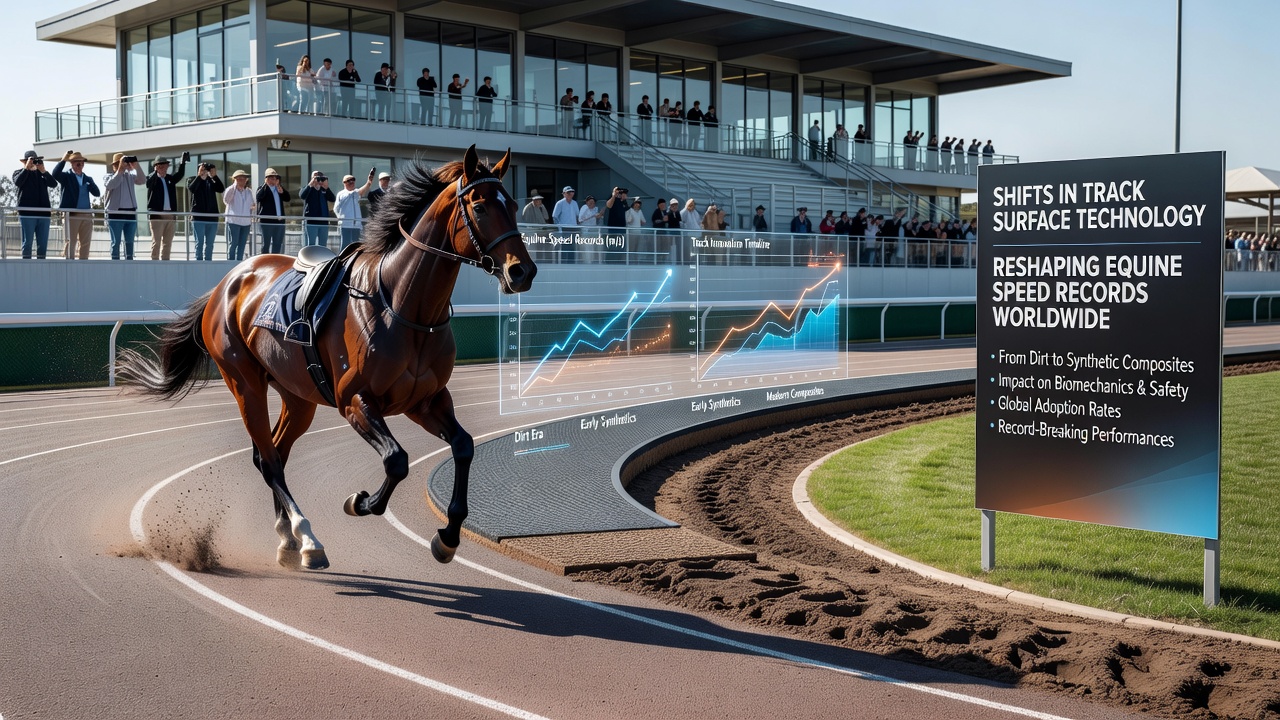
Those who've analyzed timing data across continents observe that synthetic-dominant circuits now host a disproportionate share of world-record attempts, partly because the uniform rebound properties reduce the micro-variations that once capped top-end speeds. Researchers at the University of Guelph in Canada have measured stride length increases averaging 3 to 5 percent on these surfaces, translating into measurable gains over classic distances. Meanwhile, traditional turf courses in the UK and Ireland continue to evolve through grass cultivar selections and root-zone aeration techniques that maintain firmness without compromising safety, producing incremental record improvements rather than dramatic leaps.
Measurement Standards and Verification Processes
Accurate record validation now incorporates real-time surface hardness readings and moisture content logs collected via embedded sensor arrays, ensuring comparisons reflect comparable conditions across eras and locations. The Jockey Club in the United States has integrated these metrics into its official timing protocols, which helps distinguish genuine performance gains from environmental advantages. Similar frameworks operate under the Australian Racing Board, where data transparency allows direct correlation between surface metrics and elapsed times in graded stakes races.
International collaborations have standardized testing methodologies so that records set on upgraded surfaces in one region can be evaluated against historical marks from older configurations elsewhere. This approach has clarified that many recent record revisions stem from reduced frictional losses and improved energy return rather than isolated athletic outliers. Data from multiple governing bodies indicates the trend will persist as more venues adopt sensor-driven maintenance and next-generation composite layers through the remainder of the decade.
Conclusion
Track surface technology continues to influence equine speed records by providing more predictable and efficient footing that supports higher sustained velocities. Evidence from research institutions and racing authorities worldwide demonstrates measurable links between material advancements, maintenance precision, and updated performance benchmarks. As facilities complete further upgrades heading into October 2026 and beyond, the pattern of record revisions tied to these engineering changes is likely to extend across additional racing jurisdictions.