29 Oct 2026
The Evolution of Veterinary Screening Methods and Their Contribution to Participant Welfare Standards
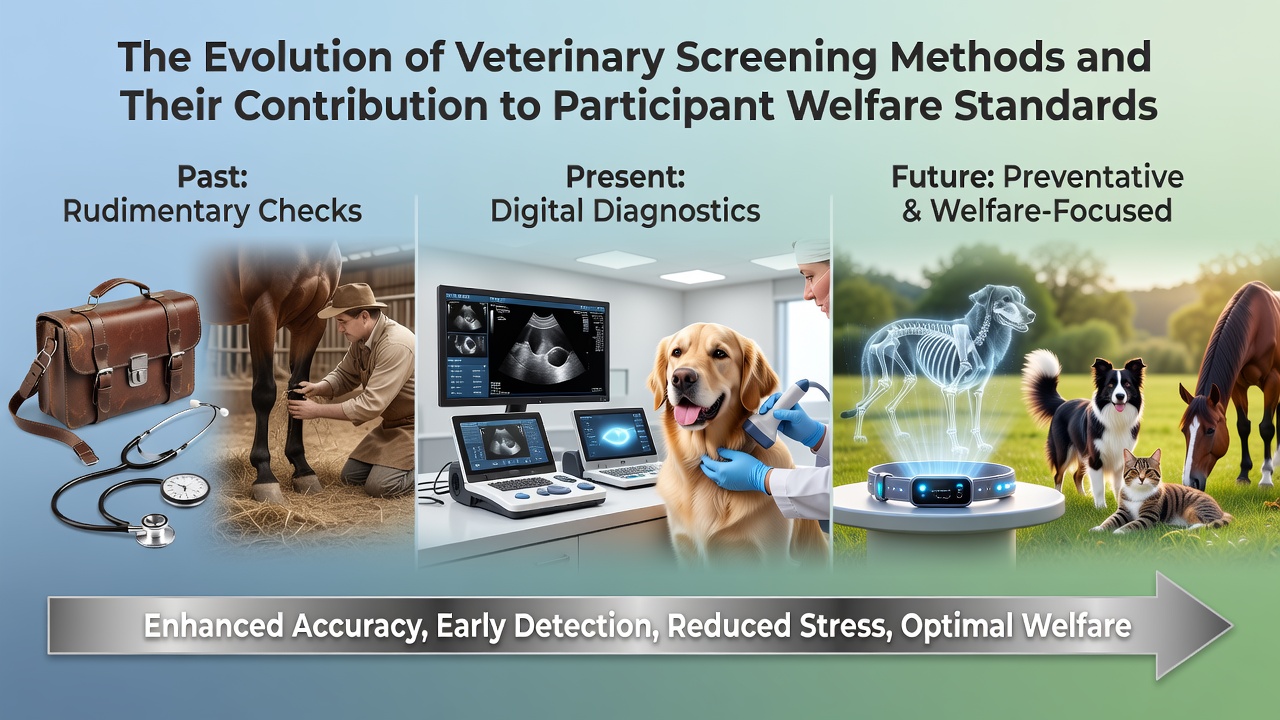
Early veterinary screening in equine racing relied on basic visual inspections and manual palpation, yet these approaches gave way to more systematic protocols as track operators and regulatory bodies recognized patterns in injury occurrences across major circuits in the United States, Europe, and Australia. Observers note that initial methods focused primarily on post-race checks, and they often missed subtle pre-existing conditions that later contributed to catastrophic events during competition.
Foundational Shifts in Diagnostic Approaches
By the late 1970s radiographic imaging entered widespread use at prominent tracks, allowing practitioners to detect bone fractures and joint abnormalities before symptoms became obvious, while blood analysis panels simultaneously tracked indicators of inflammation and metabolic stress in competing horses. Researchers discovered that combining these tools reduced the incidence of sudden breakdowns because trainers could adjust training regimens based on objective data rather than guesswork alone.
Ultrasound technology followed in the 1980s and offered detailed views of soft tissue structures such as tendons and ligaments, and this advancement proved especially valuable in regions with demanding turf surfaces where repetitive strain injuries appeared frequently. Data shows that facilities adopting routine ultrasound protocols reported measurable declines in downtime for equine athletes, and similar trends emerged when magnetic resonance imaging became accessible at specialized centers during the 1990s.
Integration of Genetic and Biomarker Testing
Genetic screening gained traction in the early 2000s as laboratories identified markers associated with exercise-induced pulmonary hemorrhage and certain musculoskeletal weaknesses, and breeding programs began incorporating these findings to select stock less prone to chronic issues. According to reports from the American Association of Equine Practitioners, targeted genetic panels now help identify at-risk individuals before they enter training, and this proactive step supports longer careers for many racehorses while aligning with broader welfare guidelines.
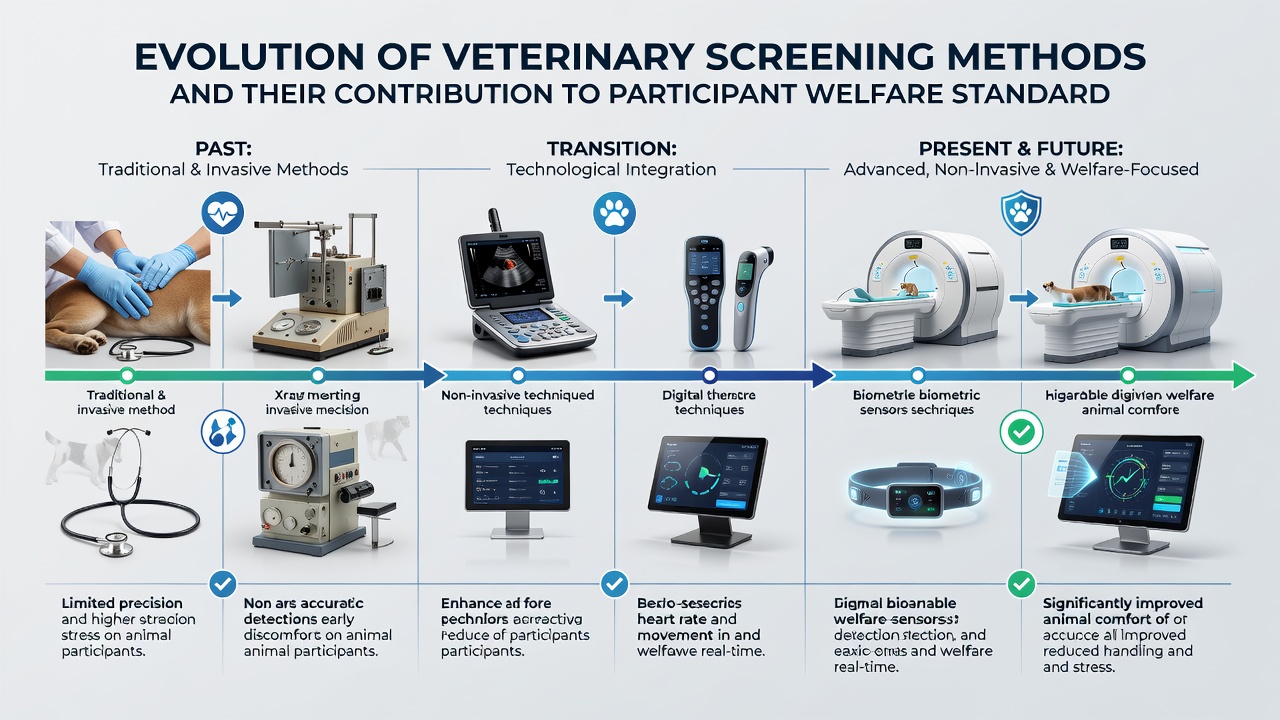
Biomarker testing expanded further with the introduction of portable blood analyzers that deliver results trackside within minutes, and these devices measure parameters such as creatine kinase levels and inflammatory cytokines that signal overtraining or impending injury. Those who've studied performance records across multiple jurisdictions observe that real-time monitoring allows immediate withdrawal of horses showing concerning values, and the practice has become standard at events governed by bodies in Canada and the European Union.
Regulatory Frameworks and International Standards
International racing authorities updated welfare standards throughout the 2010s to mandate pre-race veterinary examinations that incorporate multiple screening modalities, and compliance data from Racing Australia indicates that structured protocols correlate with fewer veterinary interventions during events. Studies conducted at veterinary schools in Australia and North America demonstrate that layered screening approaches catch conditions that single-method checks overlook, and this layered strategy now informs licensing requirements for trainers and owners.
Portable digital radiography units and wireless ultrasound probes further streamlined on-site evaluations by the mid-2020s, and regulatory updates effective in several jurisdictions by October 2026 emphasized mandatory baseline scans for all horses entering graded stakes races. These requirements build on earlier voluntary programs that already showed reduced retirement rates due to injury among screened populations.
Impact on Long-Term Participant Outcomes
Longitudinal tracking of screened equine populations reveals that early detection of issues such as osteochondral lesions or cardiac irregularities enables targeted interventions like modified rest periods or medical therapies, and many horses return to competition with improved longevity. Figures from industry reports highlight that facilities investing in comprehensive screening infrastructure experience lower overall medical costs over multiple racing seasons because problems are addressed before they escalate.
Collaboration between veterinary researchers and racing commissions continues to refine screening thresholds, and ongoing trials explore artificial intelligence applications that analyze imaging and biomarker datasets to predict risk with greater precision. Evidence suggests these tools will integrate into standard practice across major racing centers within the coming years, supporting consistent welfare benchmarks regardless of geographic location.
Conclusion
The progression from basic manual assessments to sophisticated multimodal screening has transformed how the racing industry safeguards equine participants, and each technological increment has contributed measurable improvements in injury prevention and career sustainability. Continued refinement of these methods, guided by data from diverse regulatory environments, maintains focus on objective welfare outcomes while adapting to new scientific capabilities.