17 Sep 2026
Tracing Bloodline Patterns Across Generations in Equine Competitions
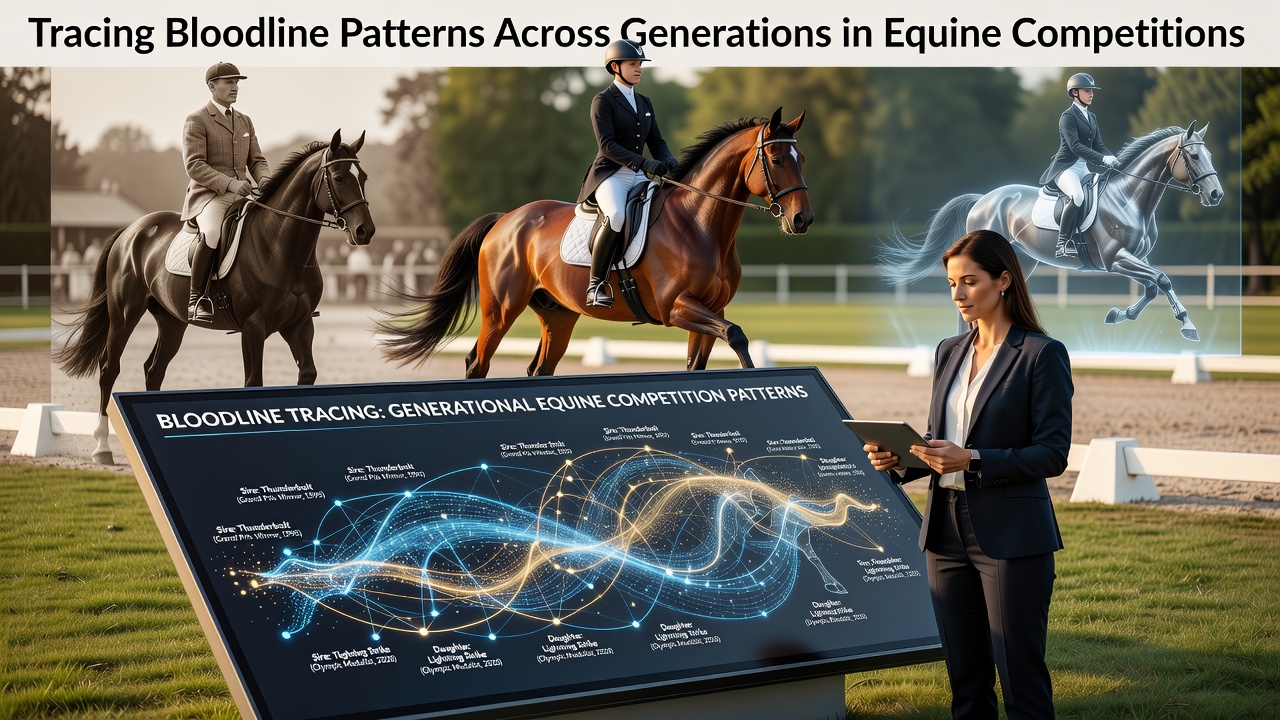
Researchers track bloodline patterns in equine competitions by examining pedigree records that stretch back multiple generations, and these records reveal consistent transmission of traits such as speed, endurance, and jumping ability across thoroughbred, warmblood, and other breeds used in racing and equestrian sports. Stud books maintained by national registries compile data on sires and dams, while modern genetic testing supplements traditional lineage analysis to identify markers linked to performance outcomes.
Data from the American Jockey Club shows that certain sire lines have produced disproportionate numbers of stakes winners over decades, yet observers note that environmental factors including training regimens and track conditions also shape results. Genetic studies conducted at universities in Australia and North America indicate that heritability estimates for racing performance range between 0.3 and 0.5, which means roughly one-third to one-half of variation in outcomes traces to inherited characteristics rather than external influences alone.
Historical Development of Pedigree Analysis
Early equine competitions relied on handwritten stud records that owners and trainers passed down through families, and these documents allowed breeders to select mating pairs based on observed success in prior races or shows. By the nineteenth century, formal registries emerged in Europe and North America to standardize lineage tracking, which in turn enabled systematic comparison of bloodlines across regions. One study from the University of Guelph in Canada examined nineteenth-century thoroughbred pedigrees and found repeated appearance of foundation sires in the ancestry of later champions, illustrating early recognition of pattern repetition.
Advancements in statistical methods during the twentieth century permitted quantitative evaluation of bloodline contributions, while computer databases later replaced paper archives and accelerated cross-generational searches. Those who analyze these datasets often compare performance metrics of siblings, half-siblings, and distant relatives to isolate recurring genetic influences.
Current Methods for Identifying Patterns
Contemporary approaches combine traditional pedigree review with genomic sequencing that identifies specific alleles associated with traits such as muscle fiber composition and oxygen utilization efficiency. Laboratories in the United States and Europe process thousands of samples annually from competition horses, and results feed into predictive models used by breeders and owners. Racing Australia publishes annual reports that detail progeny performance grouped by sire and dam lines, offering practitioners concrete figures for decision-making.
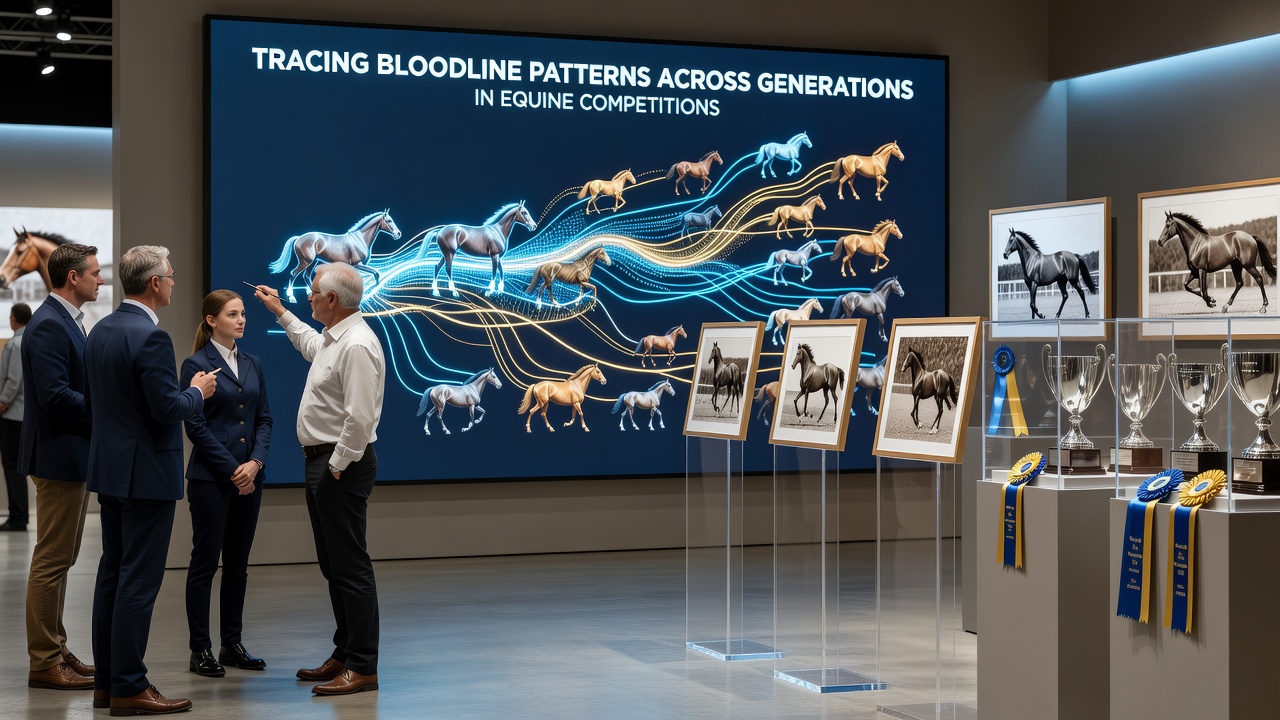
Researchers apply mixed linear models to separate genetic from environmental variance, and these models incorporate competition results from multiple countries to increase sample size and reliability. In September 2026 an international equine genetics symposium scheduled in Lexington, Kentucky, will present updated findings on mitochondrial DNA inheritance patterns that influence stamina in distance events. Practitioners attending such events gain access to refined tools for mapping bloodline strengths across diverse competition formats.
Case Examples from Major Competitions
One thoroughbred sire line descending from a prominent twentieth-century stallion has produced multiple winners of the Kentucky Derby and Prix de l'Arc de Triomphe, according to records maintained by the International Federation of Horseracing Authorities. Warmblood breeding programs in the Netherlands and Germany track show-jumping pedigrees that demonstrate elevated success rates among offspring of certain approved stallions, and national federations publish these statistics for member review. Observers examining dressage results at Olympic level note clusters of related horses achieving high scores in movement and trainability, although exact percentages vary by year and location.
Cross-border comparisons reveal that some bloodlines excel in turf racing while others dominate dirt surfaces, and data from the Hong Kong Jockey Club illustrates how imported lines adapt or maintain their ancestral patterns when relocated. Breeders frequently consult these multi-generational datasets before finalizing mating decisions for future competition prospects.
Conclusion
Tracing bloodline patterns supplies equine competition participants with measurable indicators derived from centuries of accumulated records and contemporary genetic research. National registries, academic institutions, and international federations continue to expand datasets that support objective evaluation of inherited performance traits, while upcoming events such as the 2026 symposium will further refine available methodologies. Those engaged in the field therefore rely on these evolving resources to inform breeding and selection strategies across generations of competitive horses.